
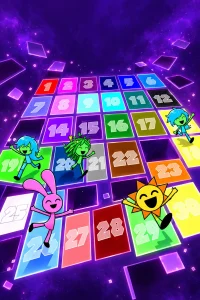
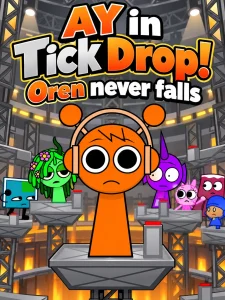
AY at Tick Drop! With Space Background (51 players) turns a huge crossover roster into an automated elimination spectacle. Created by @Yenna, it places all 51 contestants around a metallic circular platform suspended in a purple-black star field. You start the simulation, choose someone to support, and watch the arena determine who stays and who falls.
How Each Tick Drop Round Works
Every round begins with a short button phase. Each surviving contestant has a random chance to press their own button after a brief delay, and every successful press adds one turn to the central counter.
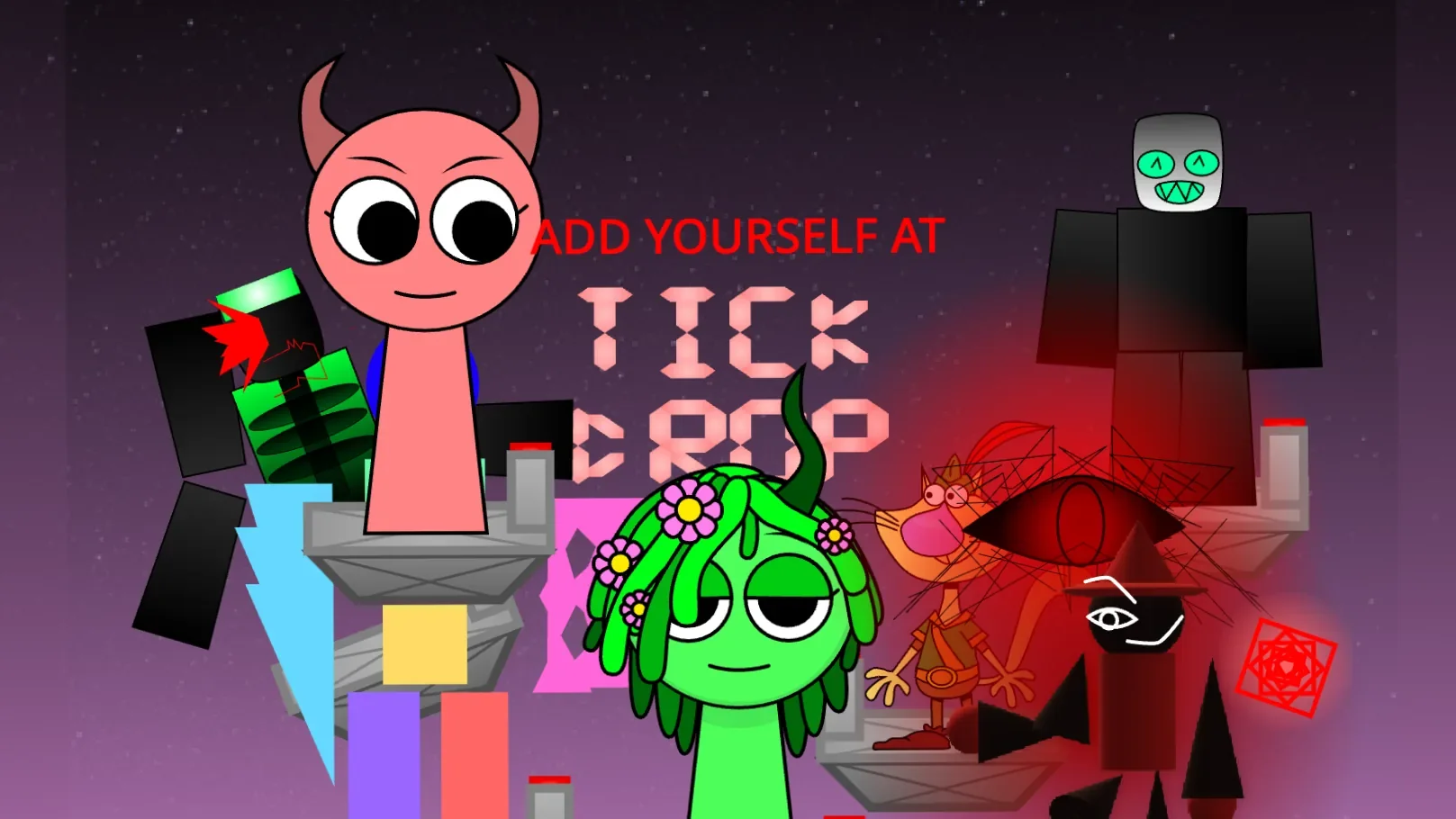 3 Game Screenshots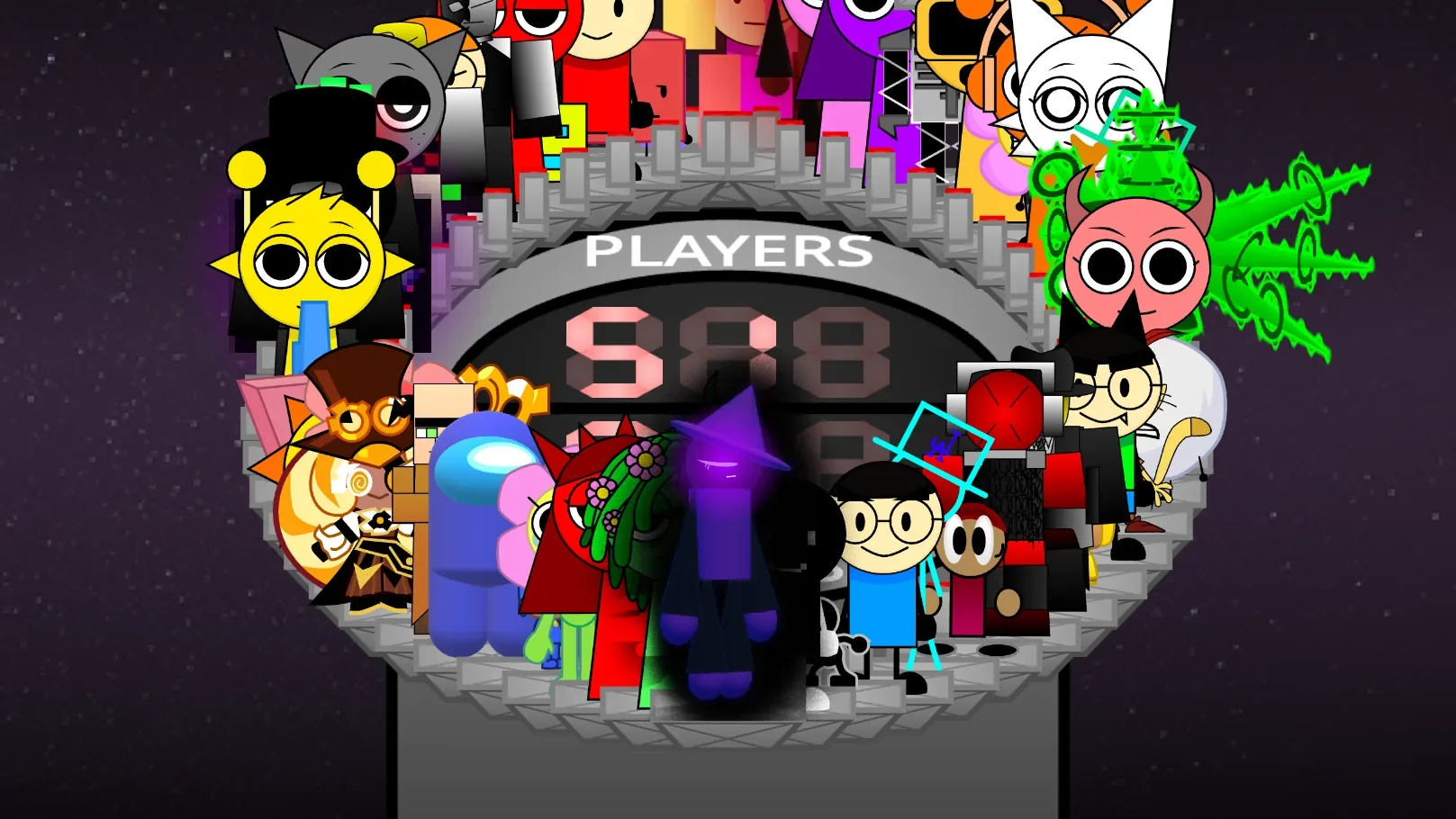
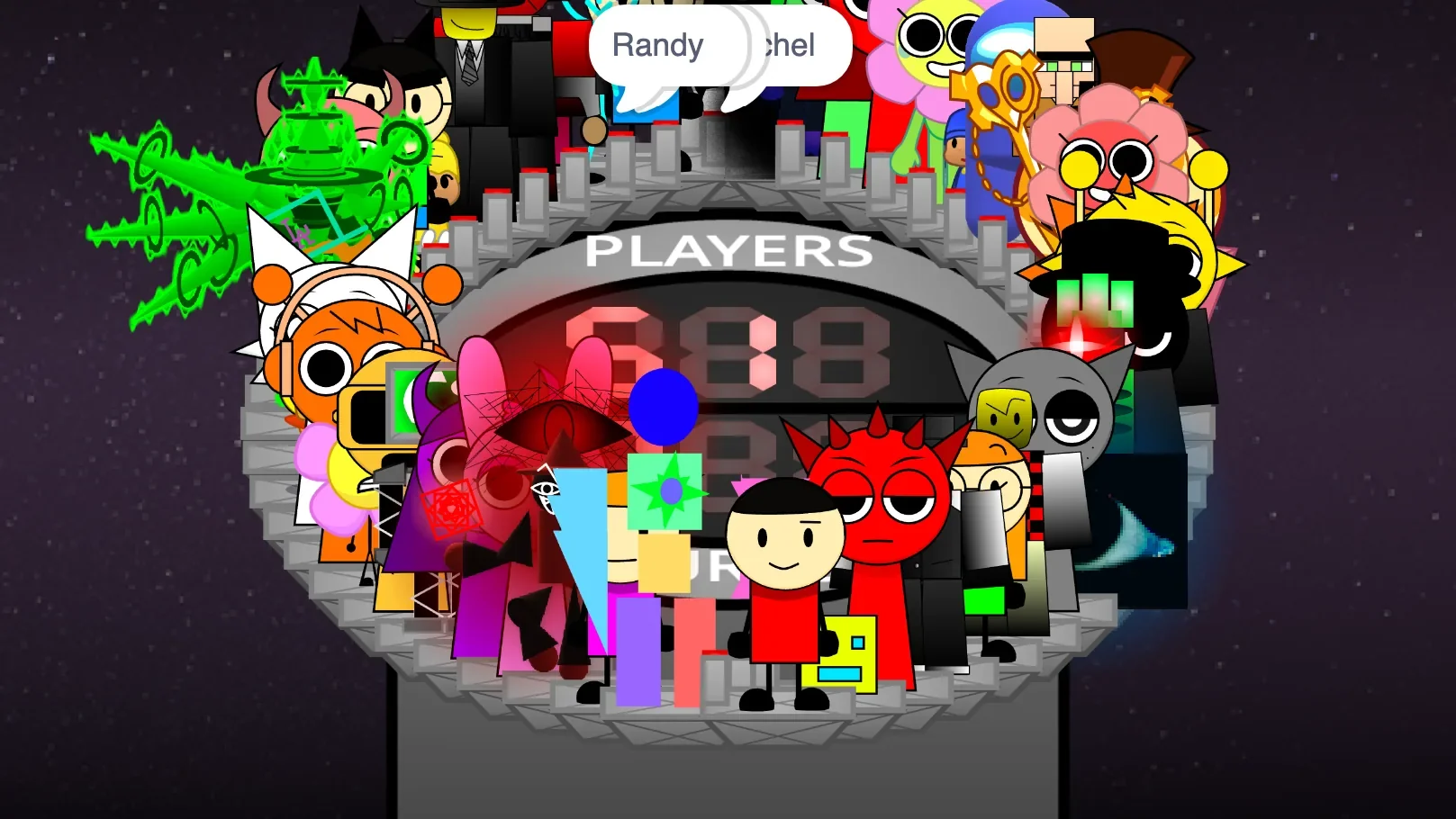
Once that phase ends, the game processes the accumulated turns one at a time. The contestants rotate around the arena, the turn counter counts back down, and whoever occupies the final position after the rotation becomes the round's loser. That character reacts, shakes, tumbles beneath the platform, and disappears from the active roster.
The survivors immediately begin another round. This pattern continues until only one contestant remains:
- Contestants randomly press their buttons.
- The number of presses determines the rotation distance.
- The roster rotates around the circular platform.
- The character in the losing position falls.
- The remaining contestants repeat the cycle.
The result is governed by timing and random selection rather than player skill. There are no movement controls or strategic decisions after the simulation starts, so this is best approached as a spectator game. Moving the pointer over a visible contestant displays that character's name, which is especially helpful when the arena is crowded.
A 51-Character Crossover Cast
The oversized roster is the main attraction. Sprunki characters such as Oren, Wenda, Pinki, Gray, Simon, Raddy, Vineria, Mr. Sun, Garnold, and Black appear alongside Blocky, Eraser, Pen, Snowball, and Flower. The field also includes Villager, Pocoyo, Pato, Mr. Game and Watch, 1x1x1x1, Nature Cat, Robtop, and numerous original or less familiar additions.
Because every active character is inserted into a randomized starting position, repeated runs can produce very different elimination orders. A favorite might fall in the opening rounds or survive deep into the match, and a visually minor contestant can unexpectedly become the champion.
The space setting gives this edition a distinct identity. Bright characters and gray platform pieces stand out against the dark stellar backdrop, while the large PLAYERS and TURNS displays communicate the state of the competition. The soundtrack changes as the match progresses, shifting from energetic round music to separate victory and results cues.
Elimination Feedback and the Ending
Eliminations have more personality than a simple disappearance. The losing character receives a startled reaction, sound effects, a shaking animation, and a visible fall away from the arena. These short sequences make each round easy to follow even when the rotation itself happens quickly.
Under the standard ending, the sole survivor switches to a dedicated winner appearance and delivers a victory line while celebratory effects and music take over. This supplies a proper conclusion after the lengthy sequence of drops.
Pocoyo is one notable exception. If he becomes the final survivor, his finale can remove him instead of presenting the usual winner pose. That outcome may therefore end without the same clean visual celebration given to the other contestants.
What Works Well
The elimination rule is simple enough to understand after watching a single round, yet the randomized button presses keep the outcome uncertain. The large cast also makes choosing a favorite genuinely entertaining, especially when characters from very different projects share the same platform.
Small interface choices help manage the chaos. The player counter shows the shrinking field, the turn display explains how far the roster will rotate, and the hover labels make obscured contestants easier to identify. The starry presentation also gives the arena more depth than a plain studio background would provide.
Where the Game Is Limited
This is a passive simulation rather than an action game. Once the Run button has been pressed, players cannot influence who activates a button, how far the roster rotates, or which contestant falls.
The 51-character lineup creates considerable visual overlap, particularly during the opening rounds. Some button changes, expressions, and portions of the counters can be hidden behind the crowd. A complete match also requires 50 elimination rounds, so reaching the winner takes patience.
The randomness is the central appeal, but it also means there is no strategy to master. The replay value comes from testing new outcomes and supporting different contestants rather than improving mechanical skill.
Related Tick Drop Games
For another large automated tournament, AY in Tick Drop: 66 Players expands the field with 15 additional contestants. AY in Tick Drop: 63 Players offers a slightly smaller alternative while retaining the same rotating-arena survival structure.




![AY in Tick Drop! [MY uae_flag] game cover](https://fortcade.com/wp-content/uploads/2026/10/ay-in-tick-drop-my-uae-flag-225x300.webp)