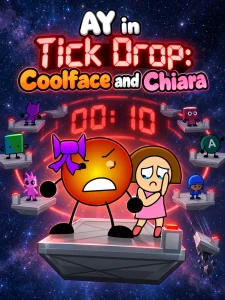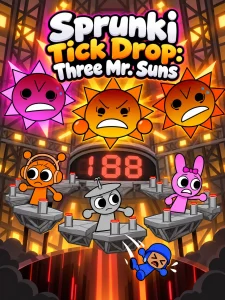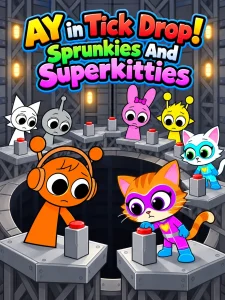
A crowded industrial arena filled with 22 animated avatars sets the stage for AY in TickDrop but topat friend, an automated elimination tournament created on Scratch by @GGTPgo. Built on the community's Add Yourself remix tradition, this version inherits the Croise-themed stage from Yellow_Marshello40_2's 22-player project and traces its origin back to croassung's 10-player template. Instead of offering direct steering or combat inputs, the game functions as a spectator simulation where every round follows a randomized sequence of button presses, roster rotations, and dramatic exits.
Once you click the green flag, all 22 contestants gather around a large central digital display. The core loop runs automatically: each contestant independently decides whether to hit their button, each press adds a turn to the central counter, and the selection highlight rotates through the standing order by that total number. Whichever character lands on the final count is instantly eliminated. The remaining survivors step inward to close the gap, reset the counter, and begin the next cycle without any direct player interference.
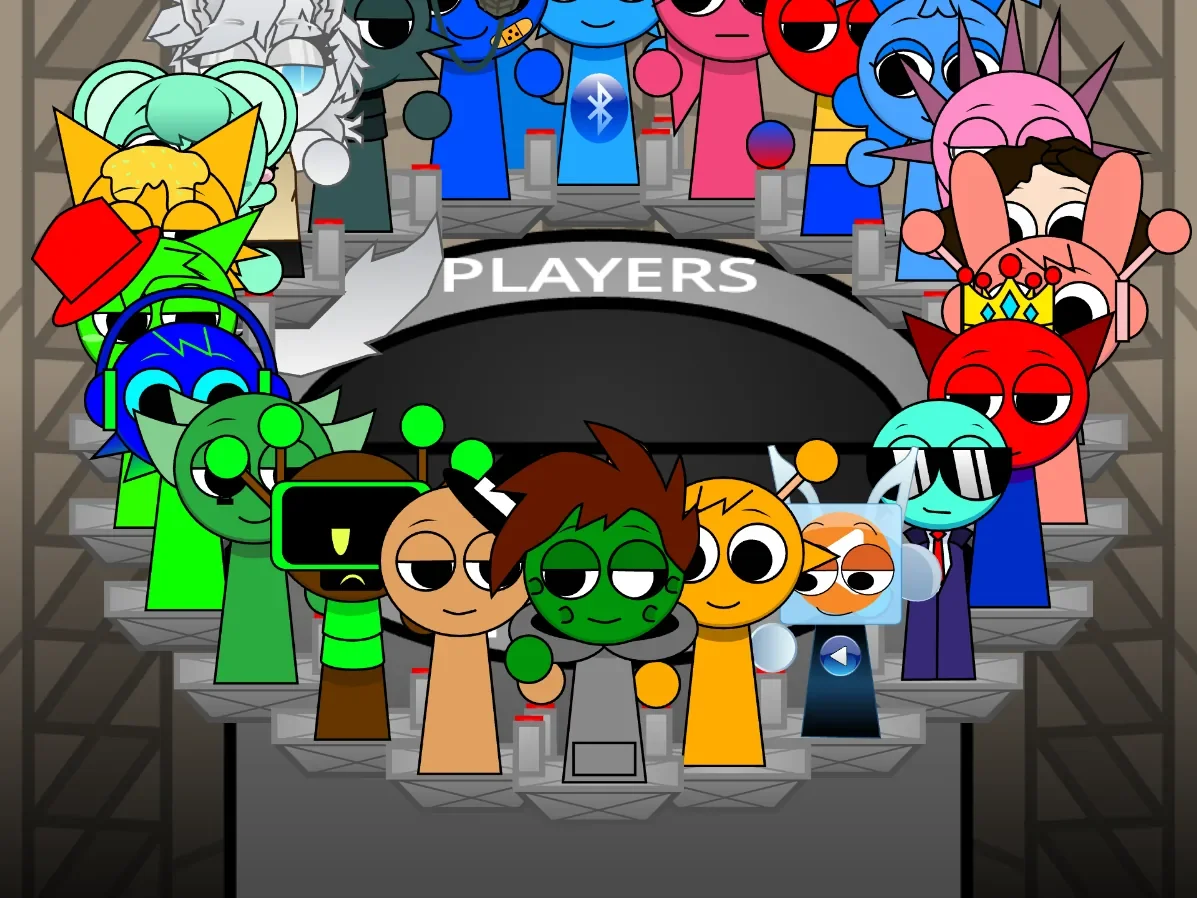 3 Game Screenshots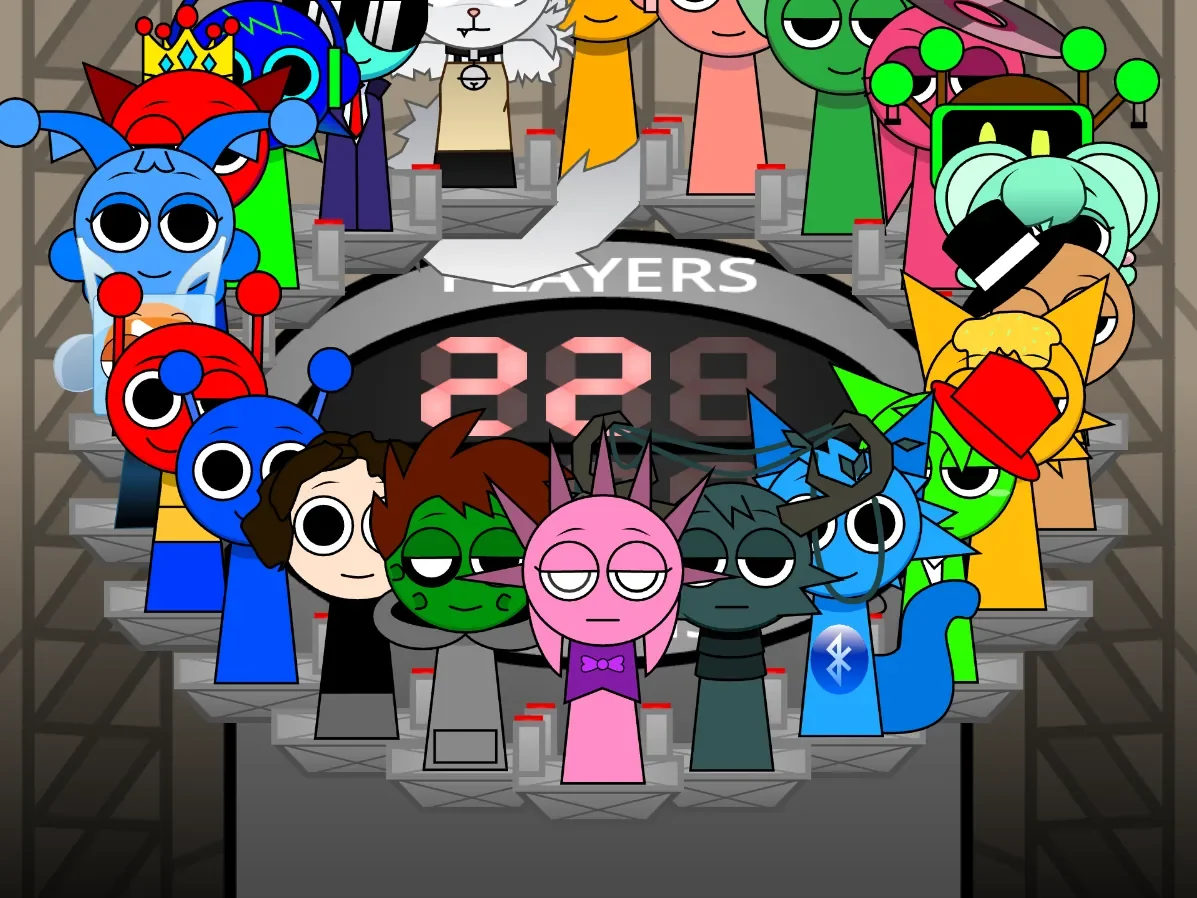
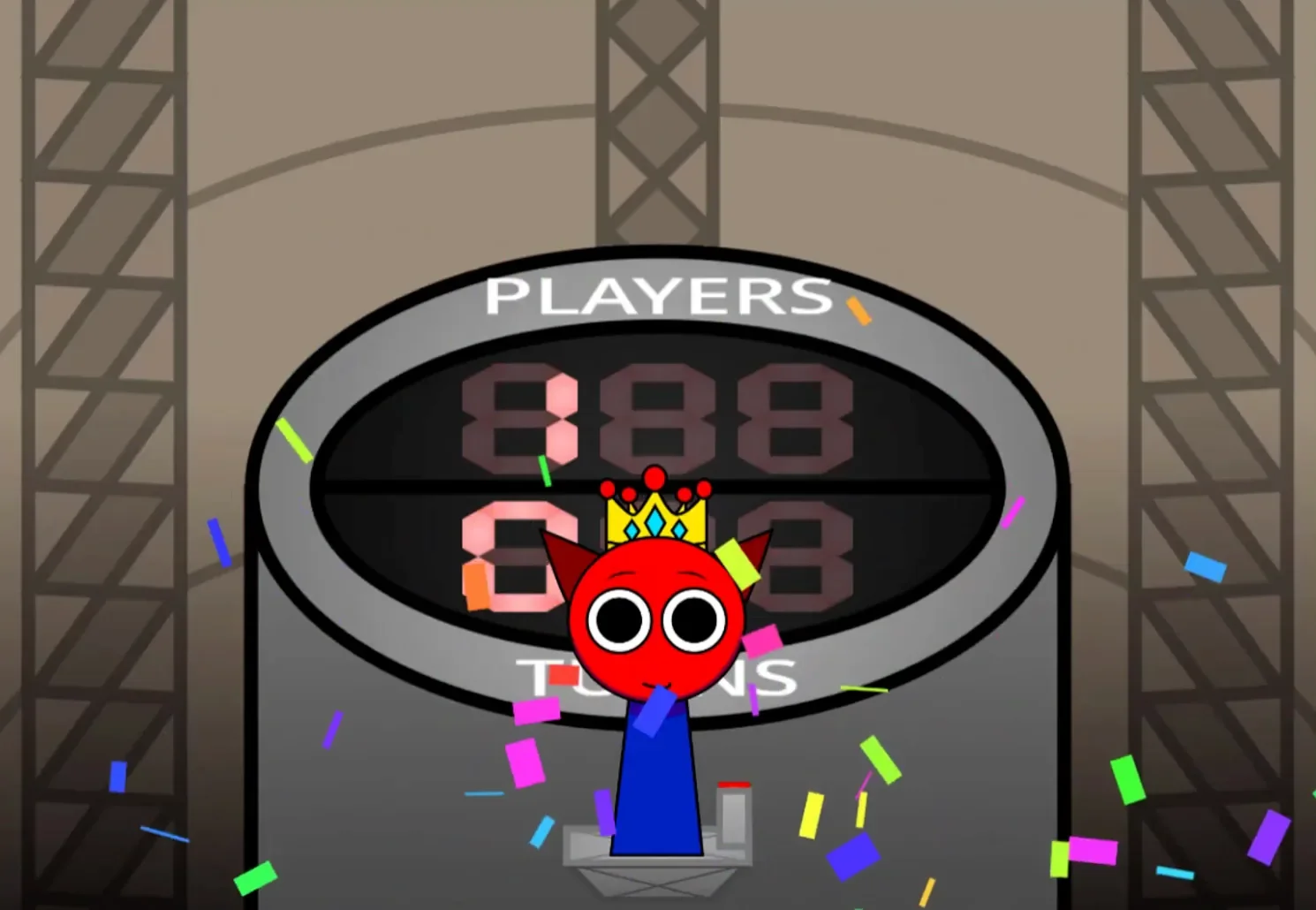
Unfolding the 22-Character Elimination Cycle
Despite Topat receiving top billing in the title, no single character serves as a protected hero or fixed protagonist. Topat competes under the exact same elimination rules as Gentra, Ivana, David, Bluetoothinormalvector, Rhogul, Ormon, Viegre, WindowsMediaPlayerAhh, Noley, BGO, Red Omega, Becca, Tree Bot, Mario Ramirez, FootLong, Pine, RT, Garnic, Mezz, Moch, and Pickles. Because the opening layout is visually packed, hovering your cursor over the crowded figures brings up hover labels to help identify individual contestants before the field narrows.
What gives the simulation its energy is the custom visual and audio flair attached to each turn. Contestants exhibit distinct button-press poses, short teleportation effects, unique defeat reactions, and exaggerated elimination animations. A randomized soundtrack cycles through different music pools for the opening setup, regular turns, selection announcements, and final celebrations, accompanied by metallic clangs, vocal reactions, and quick button clicks. While some characters are notably more expressive than others, the smooth repositioning around the central scoreboard keeps the layout readable as the numbers tick down.
Differentiating Active Features from Unused Project Code
Because remix projects often retain files from earlier iterations, players inspecting the game assets might notice remnants of crates, bombs, speed boosts, energy pickups, or an interactive hand event. None of these mechanics are active or connected in the playable release. There are no alternate arenas, secret routes, or unlockable endings. On platforms like Fortcade where players sample quick browser experiences, understanding this fully automated structure prevents confusion—the experience relies entirely on randomized tournament pacing rather than hidden strategy or active intervention.
A complete match can last slightly over nine minutes from the initial 22-player kickoff down to the single remaining champion. The finale awards the last survivor a custom victory pose, a unique winner reaction, and a brief crown-and-confetti drop before coming to a complete stop without a persistent high score or progression campaign. For viewers who enjoy unpredictable animated showcases, watching unlikely contestants survive deep into the bracket provides light entertainment, even if the total lack of player influence and long match duration limit its appeal for those seeking hands-on arcade action.