Twenty contestants line up across a plain gray stage, but their survival relies entirely on an automated simulation rather than direct player skill. In AY In Free-For-All Elimination (Broker and Friends), created by @12727954, the central interaction is clicking the green flag on the static title screen. Once activated, the project advances on its own, guiding a large cast through an animated competition ceremony complete with voting announcements, safety reveals, character KO screens, and shifting contestant tallies.
Without verified directional controls, action buttons, character selection screens, or interactive vote inputs, the project operates as a passive elimination-show simulator. Suspense develops from watching randomized outcomes unfold across timed scenes, tracking which characters survive each round and which are removed from the roster as the competition moves toward a final winner.
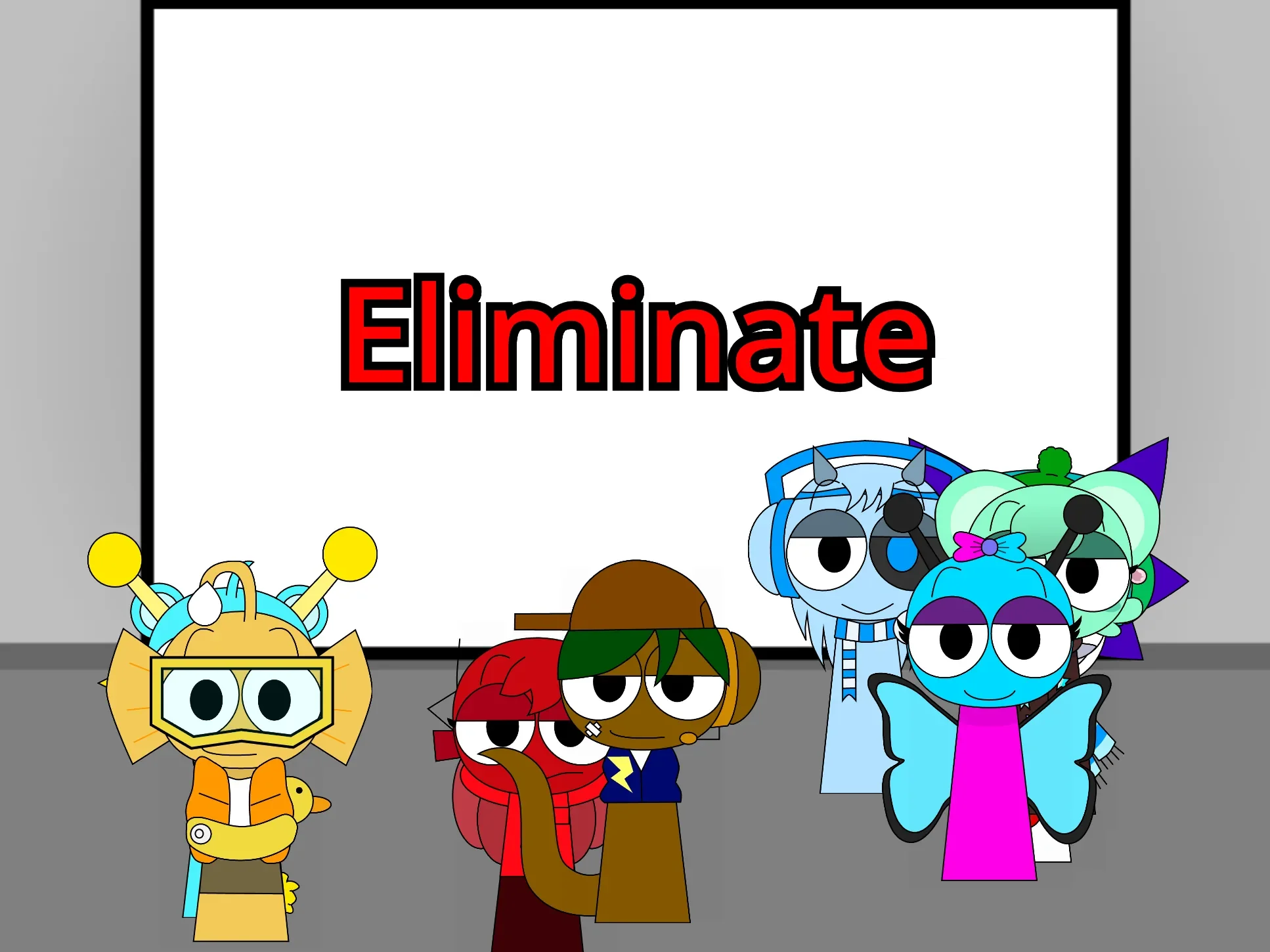 4 Game Screenshots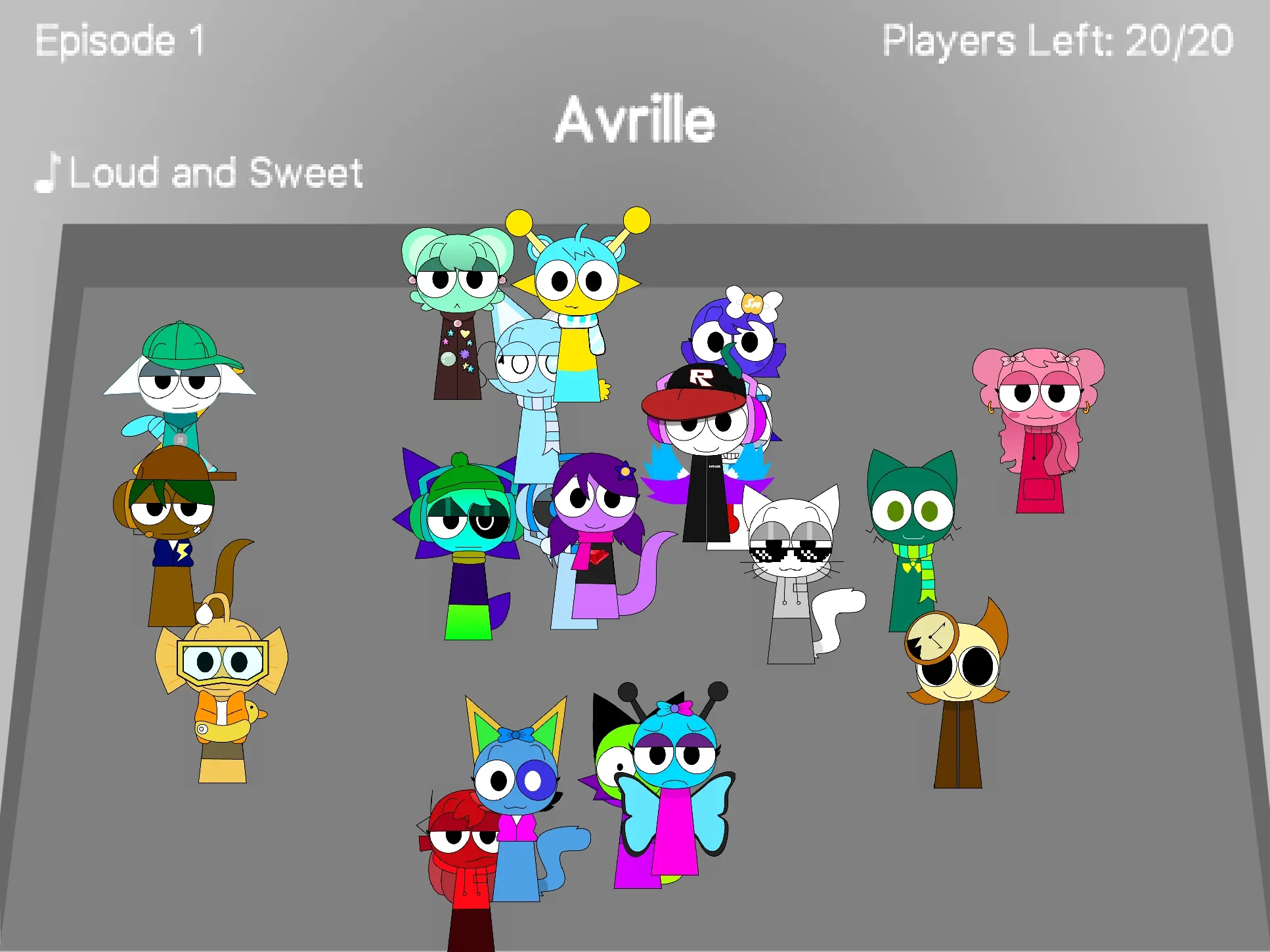
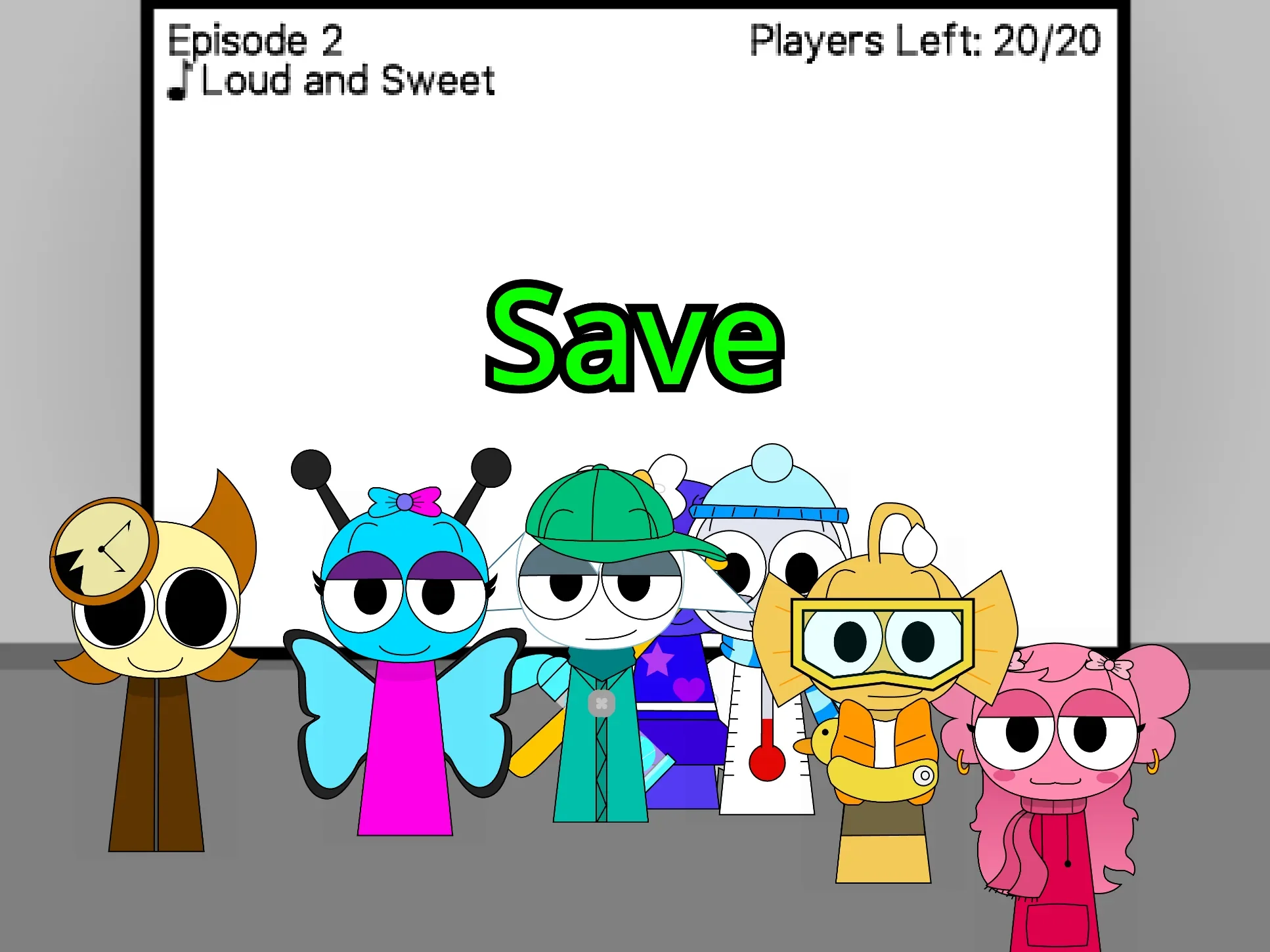
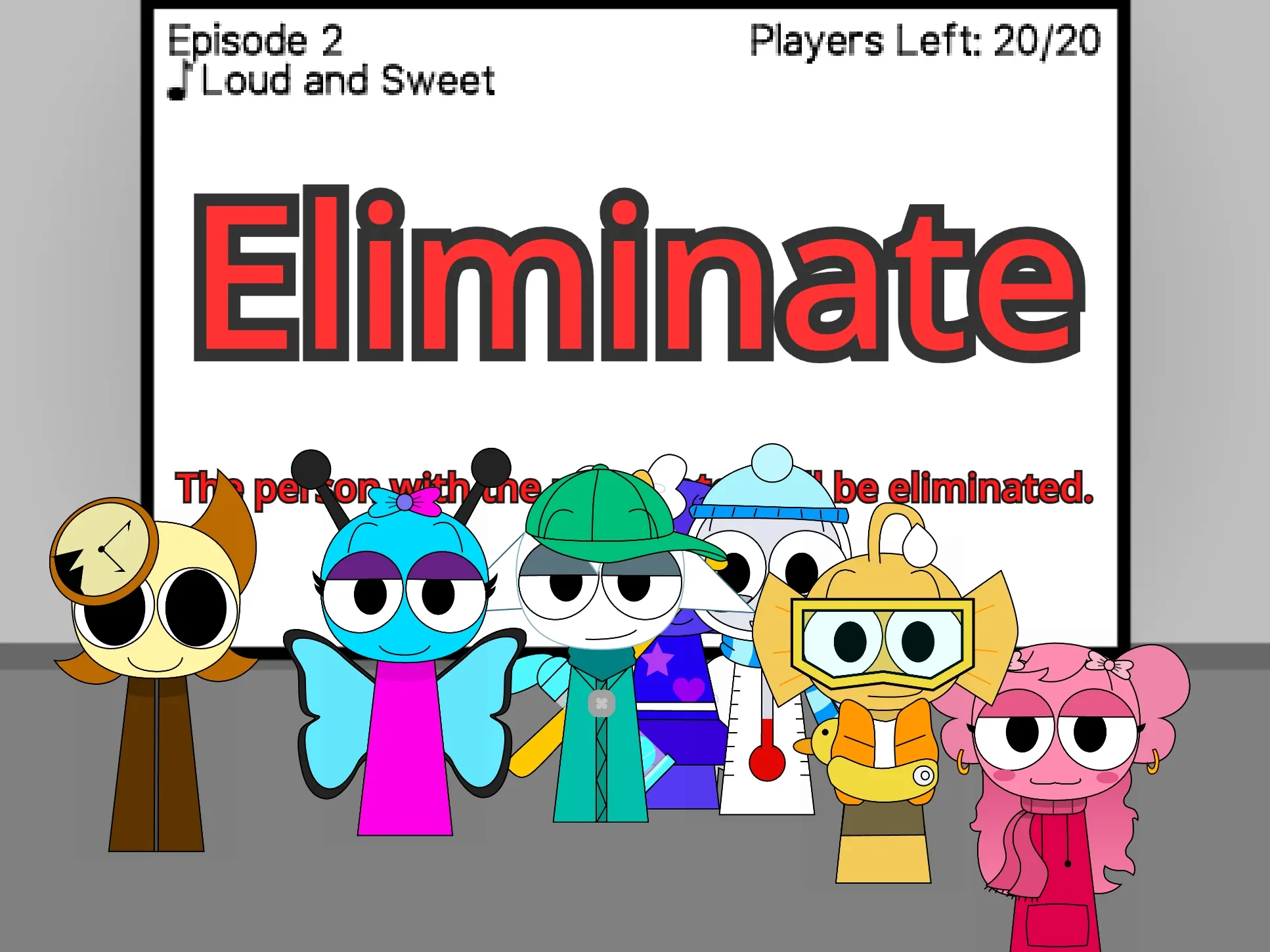
Numbered Episodes and Cast Progression
The simulation is built around a structured sequence of numbered episodes. Episode 1 establishes the baseline lineup with a visual display reading "Players Left: 20/20." As the project runs, automated tally screens reveal character safety scores, such as Episode 2 announcing that "Avrille is safe with 706 votes." By Episode 4, the active counter drops to "18/20," demonstrating that eliminations systematically alter the active cast rather than resetting to a static opening scene.
This episodic progression includes player checks, rejoin stages, "Eliminate" and "Save" voting screens, safety announcements, and an eventual finale sequence. Because the viewer cannot alter these results or cast manual votes during normal play, the structure functions like a randomized bracket competition. Staying engaged requires waiting through sequential timed scenes to discover which contestants remain standing.
Ensemble Cast and Character Visual States
The primary appeal rests on its 20 visible contestants. While the title highlights Broker, the project treats the roster as a wide ensemble, giving equal screen time to characters such as Tox, Charlotte, Bailey, Avrille, Skymon, Danny, Moch, Mercury, Sulfur, Val, and Laila. The designs borrow heavily from Sprunki-style art aesthetics, blending varied costumes, accessories, facial expressions, and bright color palettes to create a crossover aesthetic.
To keep the automated format visually readable, each character features distinct artwork across multiple visual states:
- Idle poses for baseline group lineups
- Talking states paired with dialogue bubbles
- Dedicated "Safe" indicators during vote reveals
- "Up for Elimination" highlight positions
- Knockout (KO) graphic states upon removal
- Winning poses reserved for late-stage survivors
These character states are grouped across a wide gray stage. Large text overlays, close-ups, and speech bubbles ensure each character's status remains clear even as the screen layout changes between ceremony phases.
Ceremonial Presentation and Audio Cues
While the character art is varied, the environment remains intentionally simple. The show takes place against a small selection of plain gray and white ceremony backdrops. The lack of detailed environments or background animation means visual variety depends almost entirely on character expression changes, costume details, and teleportation or elimination effects.
Audio details help establish the rhythm of a broadcast ceremony. A recurring music track, identified on-screen as "Run! Men In Tights!", plays during episode transitions. The presentation also incorporates character-specific audio cues triggered by safety reveals, eliminations, KOs, teleports, and victory moments. The project credits PlayGameWalkthrough and notes the channel's use of Bandicam during its presentation.
Evaluating the experience on Fortcade highlights its specific design identity: it is an automated viewing experience rather than an arcade challenge. The project delivers a structured, character-focused contest, but its appeal remains tied to interest in object-show eliminations and fan-created cast remixes.
Limitations of a Passive Simulation
The reliance on automated progression creates clear limitations for anyone expecting hands-on gameplay:
- Zero In-Game Agency: After clicking the green flag, players cannot direct character movements, trigger attacks, or alter vote outcomes.
- Repetitive Environments: The reliance on simple gray backdrops makes later episodes visually similar to early ones.
- Pacing Demands: Watching a full run requires patience while timed dialogue scenes and voting screens play out automatically.
- Niche Focus: The overall appeal relies on an interest in cast tracking and elimination-show tropes rather than active skill or strategic decision-making.
For viewers who enjoy watching randomized elimination brackets and tracking fan-made character casts, the simulation provides a clear, structured sequence from initial roster to finale. Players looking for direct control or strategic depth, however, will find its hands-off design too passive.



![AY in Noggin's RL, GL Game Redux [ 40 Players ] game cover](https://fortcade.com/wp-content/uploads/2026/10/ay-in-noggin-s-rl-gl-game-redux-40-players-225x300.webp)