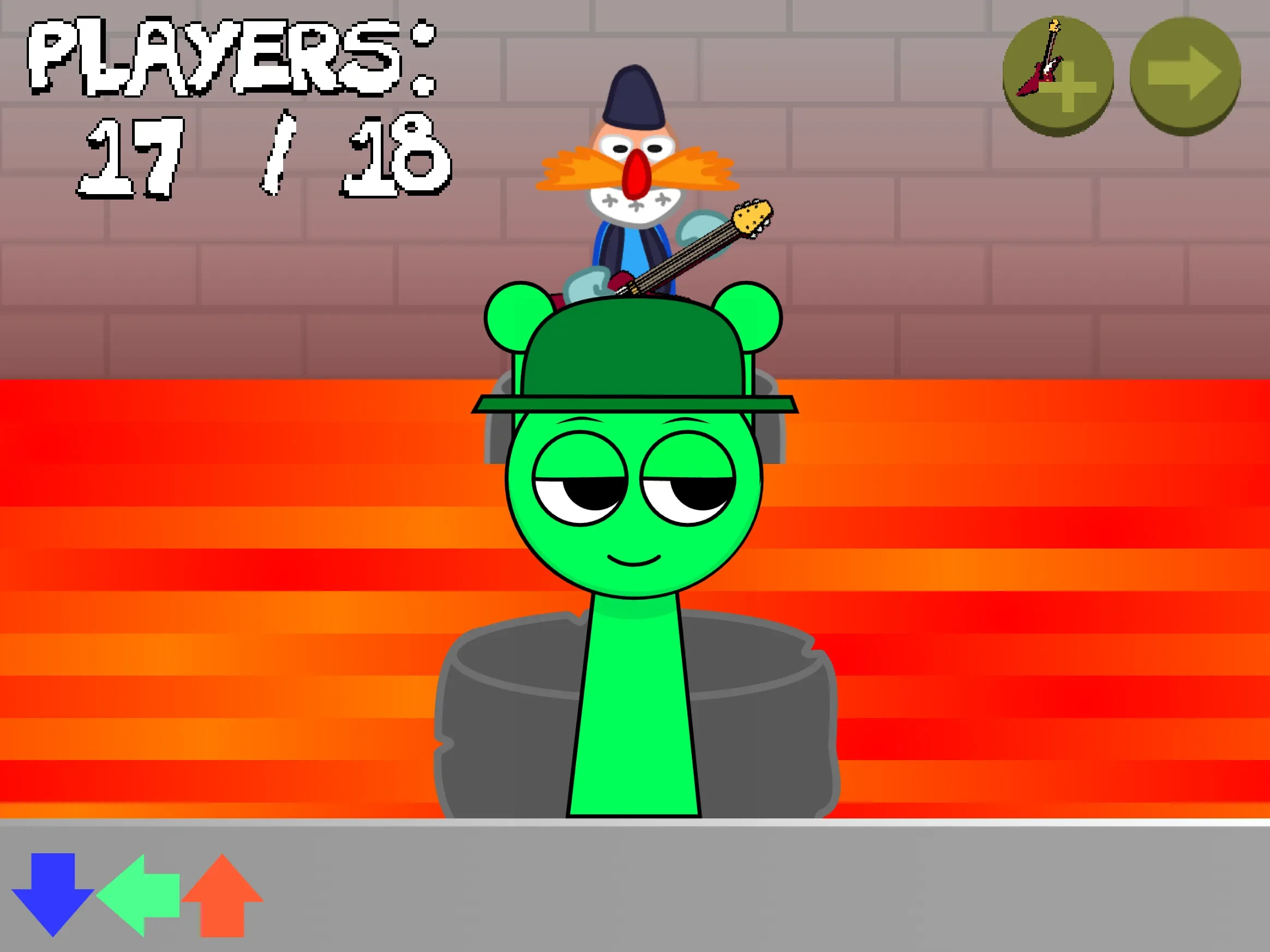
A guitar solo becomes a sudden-death knockout tournament in Tox and Friends in Metal Replica! (18 Players). Hosted by the hot-tempered guitarist Heffertz, the stage serves as an arena where characters are called up one by one to repeat randomly generated guitar sequences. A single misstep results in immediate disqualification, launching the performer off the stage while the remaining contestant counter drops. Despite its resemblance to a traditional musical memory challenge, the experience functions as an automated simulation where characters perform on their own while the viewer observes, adjusts conditions, and watches the competition unfold.
Because the keyboard directional arrows do not control the performers, success on stage relies entirely on automated routines rather than player reflexes. Heffertz plays a sequence composed from four possible notes—up, down, left, and right—complete with corresponding guitar riffs and animations. The designated contestant then executes the pattern while colored arrows accumulate along the bottom of the screen. A flawless performance keeps the contestant alive for future rounds, whereas a single missed note prompts an exaggerated reaction from Heffertz and eliminates the character on the spot.
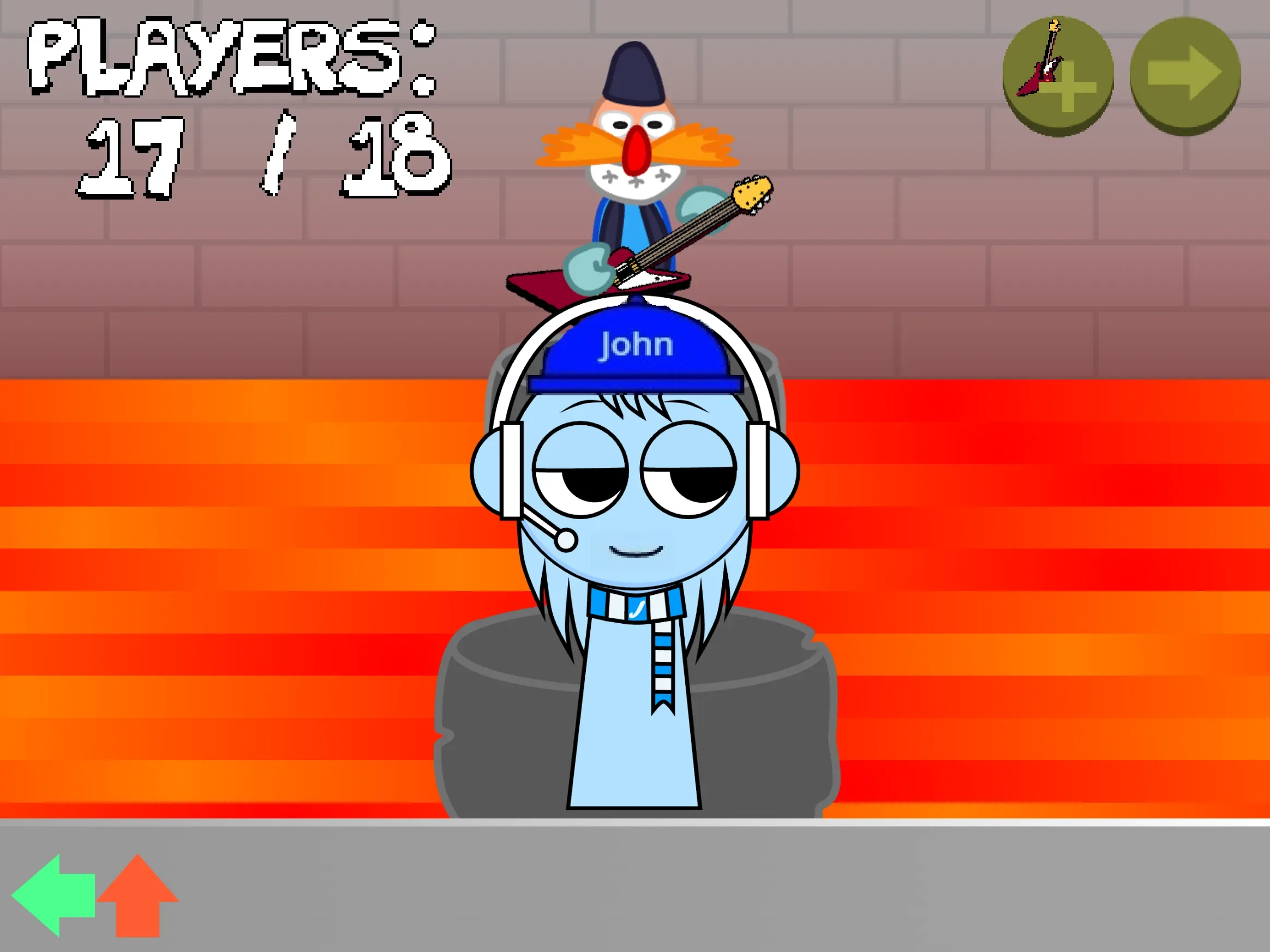
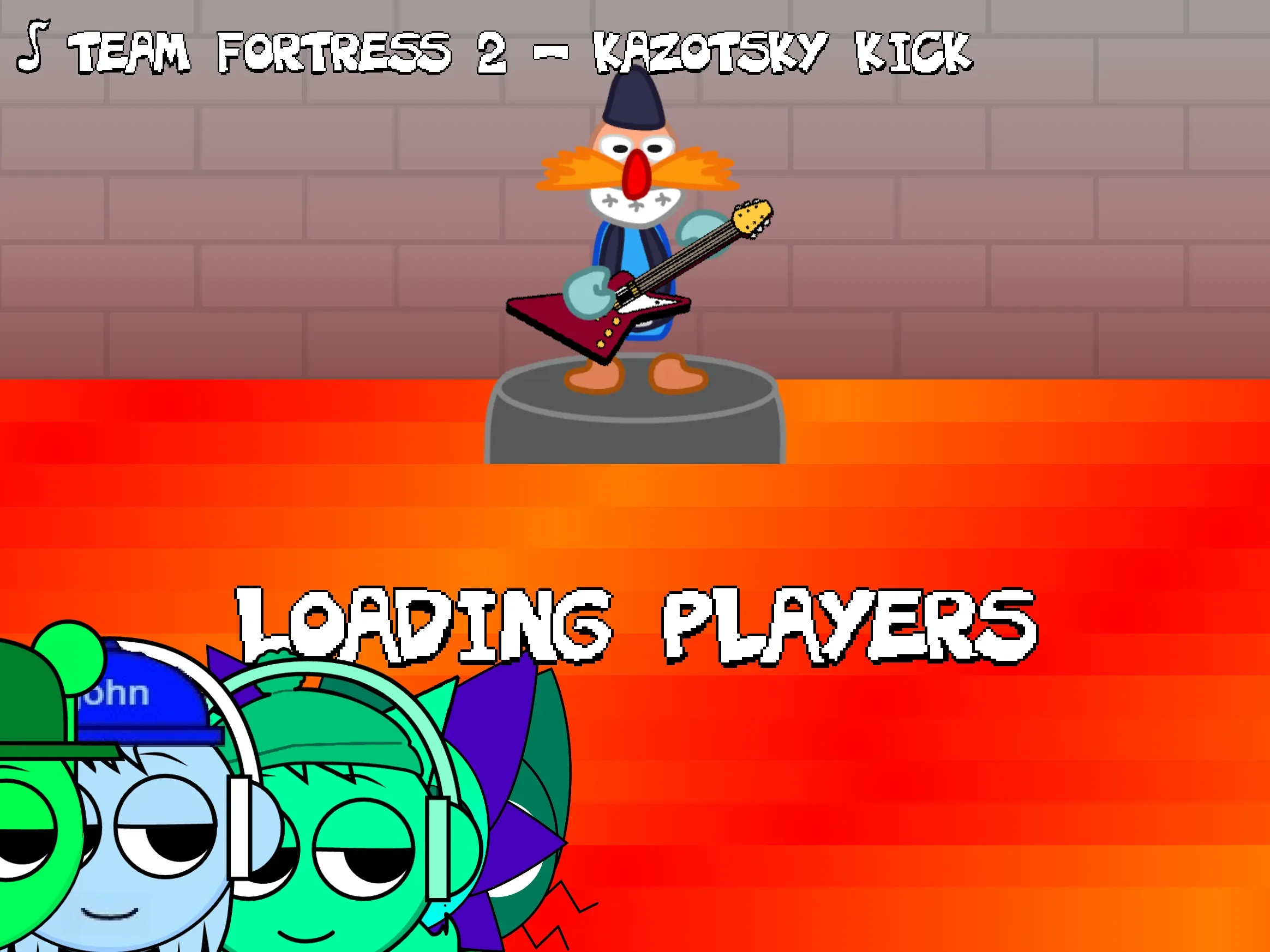 4 Game Screenshots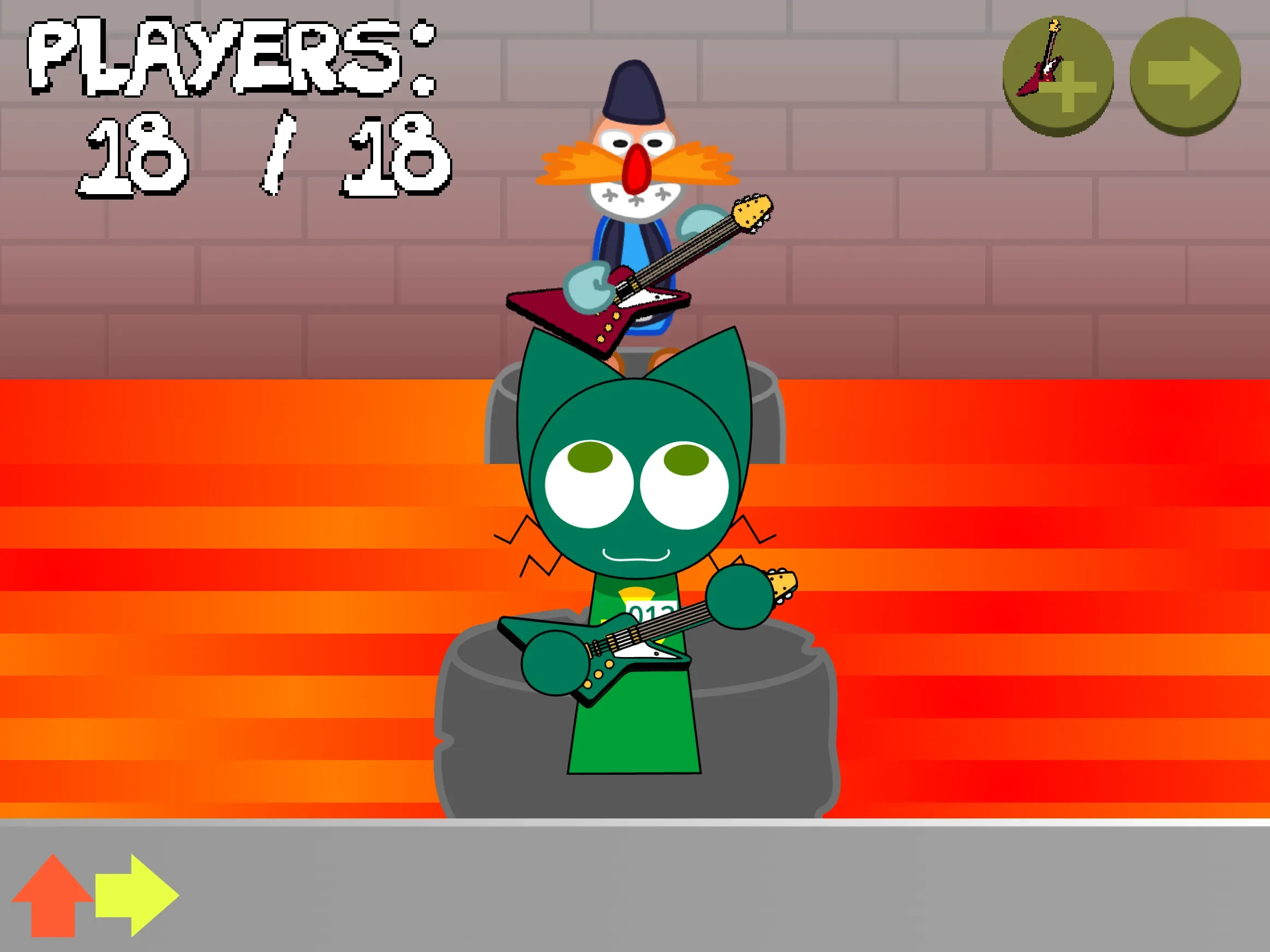
The Structure of an Automated Elimination Show
Each tournament begins with an opening loading sequence that gathers all 18 contestants and randomizes their turn order. The full roster comprises Tox, Oren, Pinki, Mini Gray, ACID, Sulfur, BROKER, Thysto, Peppie, Coka, Animus, Temu Gray, Laci, Levi, Zaloy, Kaivon, John, and Pencilz. An indicator in the upper-left corner of the screen tracks the total number of surviving participants throughout the run.
As rounds progress, the difficulty scales through two distinct mechanics. Sequences grow longer after completed turns, and individual contestants become progressively more prone to making errors as they survive deeper into the competition. Early rounds move quickly through short two-note sequences with few mistakes, but the middle and late stages experience rapid attrition. By the time only three finalists remain, long arrow sequences combine with higher mistake probabilities to create unpredictable showdowns.
Because turn order, note generation, and failure rates rely on randomized factors, outcomes vary significantly between matches. A character like Tox might be eliminated in the opening round during one run, only to make it to the winner podium in the next. The overall experience plays out like a randomized animated game show, created by @12727954, where drama arises naturally from automated chance rather than scripted events.
Modifying Pace and Intensity
While players cannot directly control the characters or enter note sequences, the interface provides specific interactive controls to alter the show's pacing and difficulty. Interaction is centered around modifier buttons positioned in the upper-right corner of the display.
| Action | Input | Result |
|---|---|---|
| Start or restart | Click green flag | Reloads the entire roster and begins a fresh randomized tournament |
| Speed toggle | Click guitar icon button | Speeds up note playback and character animations; can be toggled on or off |
| Intensity boost | Click arrow icon button | Permanently adds an extra note to future sequences during the current run |
The speed button addresses the pacing of early turns. The loading sequence takes approximately ten seconds to set up and introduce the 18 characters, and early two-note rounds can feel slow when most contestants succeed. Accelerating playback allows viewers to skip past low-risk routines. Conversely, the intensity button permanently increases sequence length for the remainder of the match. This escalation cannot be reversed without restarting, giving viewers a direct way to force higher error rates earlier in the show.
Those exploring casual spectator games on Fortcade will find that these control options alter the rhythm of the performance without transforming it into a hands-on rhythm game. There are no mechanics to manually rescue a favorite character or sabotage specific rivals, meaning engagement comes from setting conditions and watching how the randomized algorithms determine the champion.
Visual Poses, Audio Density, and the Final Podium
The primary strength of the simulation lies in its extensive character presentation. Each of the 18 contestants features dedicated sprite work for walking on stage, idling, playing each of the four directional notes, missing a pattern, getting knocked out, and celebrating a win. Many roster members also carry distinct voice clips and sound effects for their successes and failures.
The stage presentation maintains clear readability despite the ongoing action. Set against a lava-striped arena with rising stone platforms and flashing spotlight effects, the active performer's portrait and name appear clearly at the lower left of the screen. Heffertz acts as an animated focal point, reacting with visible frustration whenever a note is missed.
Audio design is similarly dense, drawing from a pool of seven credited background music tracks alongside four directional guitar tones, vocal stingers, and elimination sound effects. While the continuous overlap of musical cues and character audio can sound noisy, the energetic soundscape fits the atmosphere of an over-the-top rock contest.
The competition finishes with a complete victory sequence rather than a sudden reset. When the surviving counter drops to one, the sole remaining character steps onto a bright winner podium. The game celebrates the champion with a personalized name display, special visual effects, custom victory poses, and a randomly selected victory jingle, providing a definitive conclusion to the tournament.

![AY in Noggin's RL, GL Game Redux [ 40 Players ] game cover](https://fortcade.com/wp-content/uploads/2026/10/ay-in-noggin-s-rl-gl-game-redux-40-players-225x300.webp)