An oversized black bomb hovers above twelve colored switches while ten contestants take turns stepping forward to test their luck. In AY in Big Blast! (Broker and Friends), each character walks onto the platform, picks an available switch, presses it down, and waits under the ticking fuse for either a harmless puff of smoke or an imminent countdown to disaster. The contestant caught in the blast leaves the match, the stage resets, and the cycle continues until only a single survivor remains standing on the arena floor.
Adapted from the core structure of Bowser’s Big Blast and Bowser’s Bigger Blast from the Mario Party series, creator @12727954 transforms the familiar party-game threat into an automated mascot elimination tournament. Ten distinct competitors—Broker, Tox, Sulfur, Thysto, Acid, Peppie, Coka, Animus, Temu Gray, and Mini Gray—fill the roster. Their turn order is shuffled at the start, with the current participant's name displayed clearly below the arena, setting up a continuous automated showcase of escalating odds and physical slapstick.
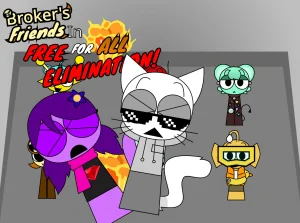
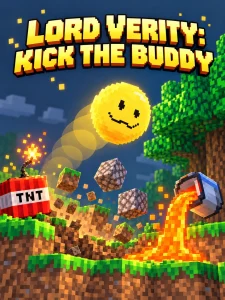
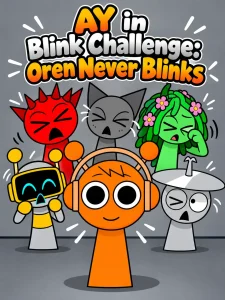
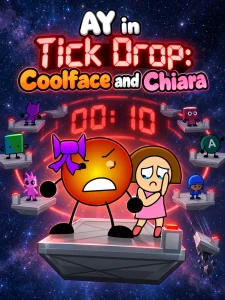
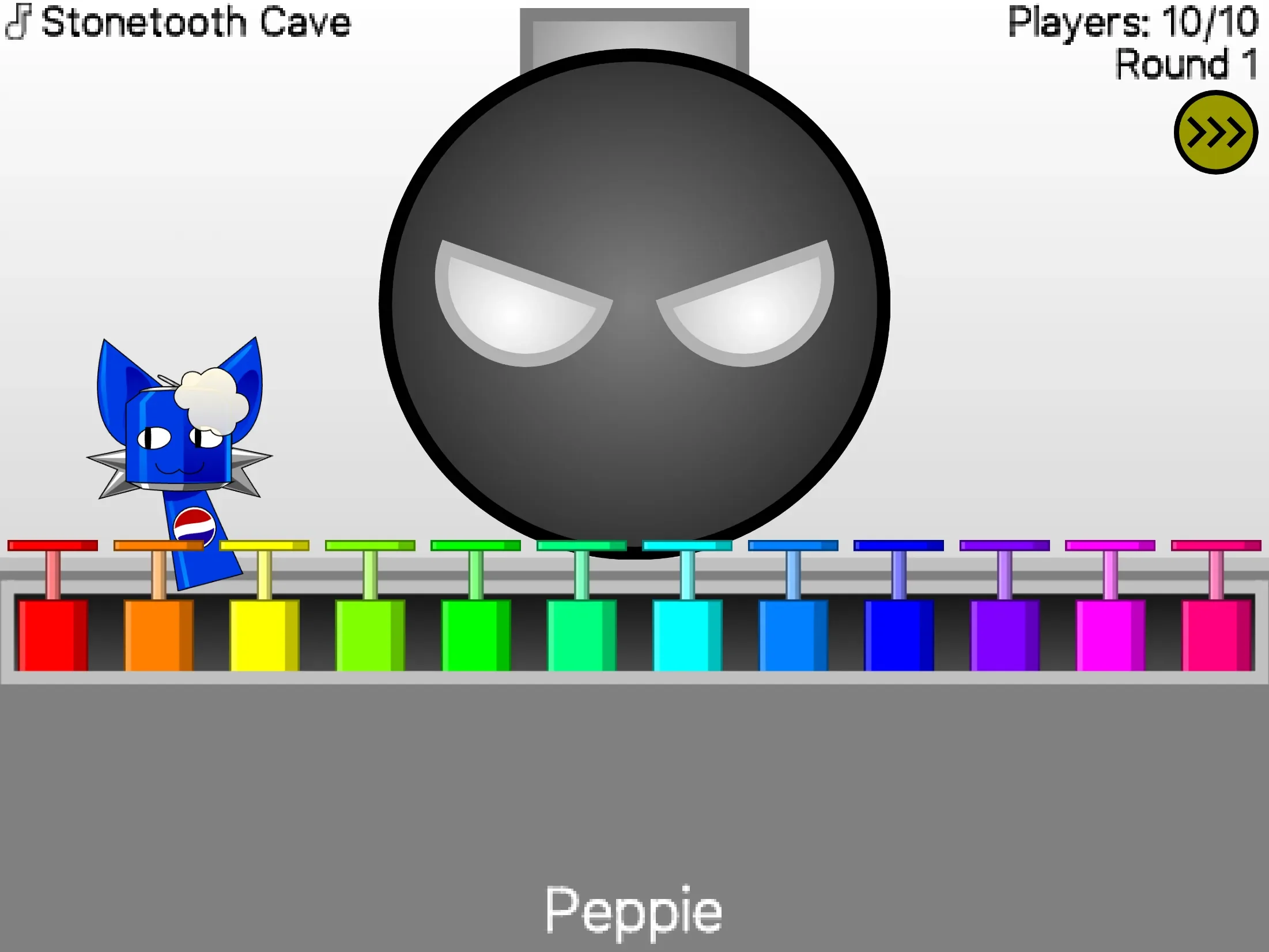 4 Game Screenshots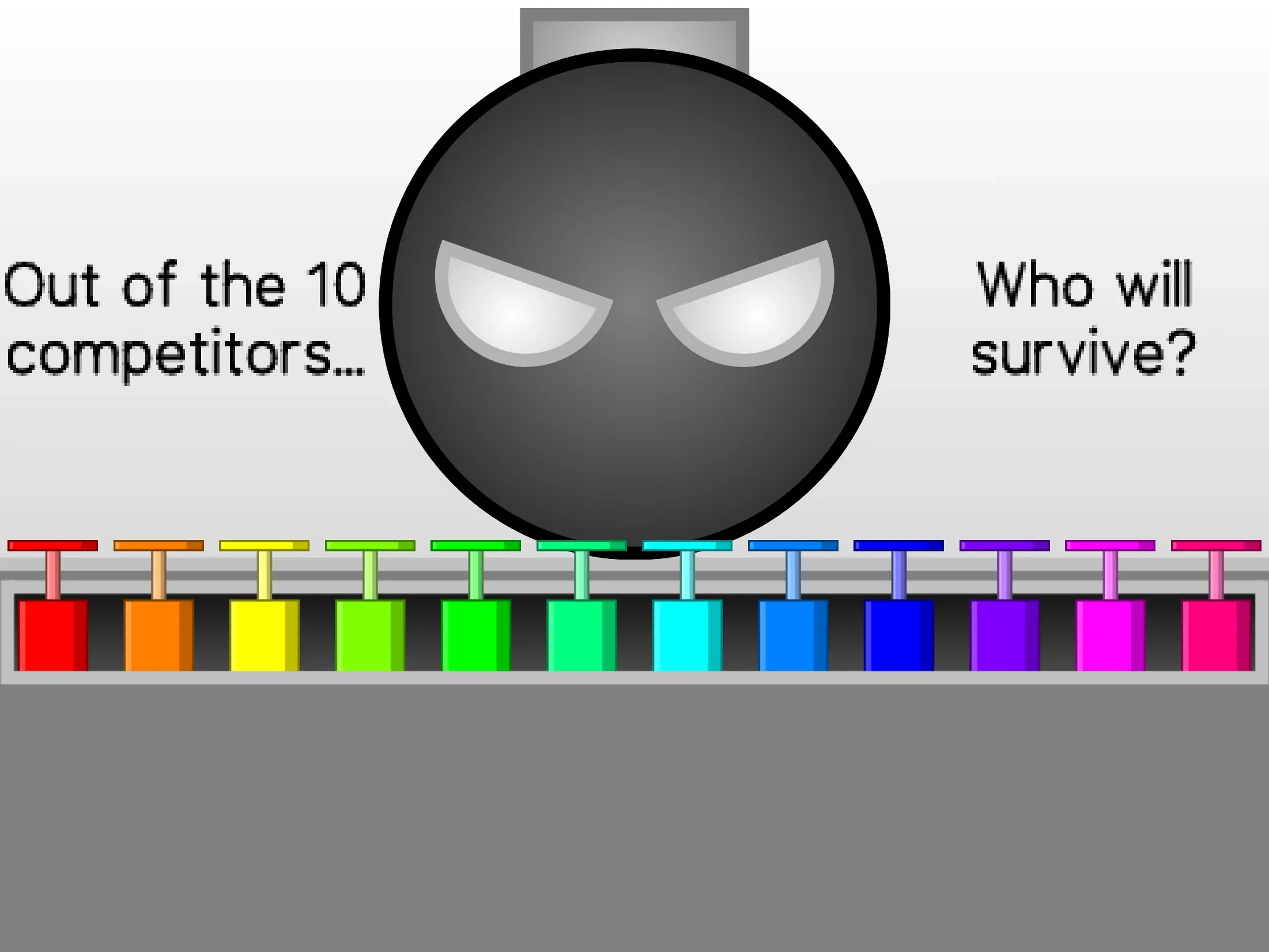
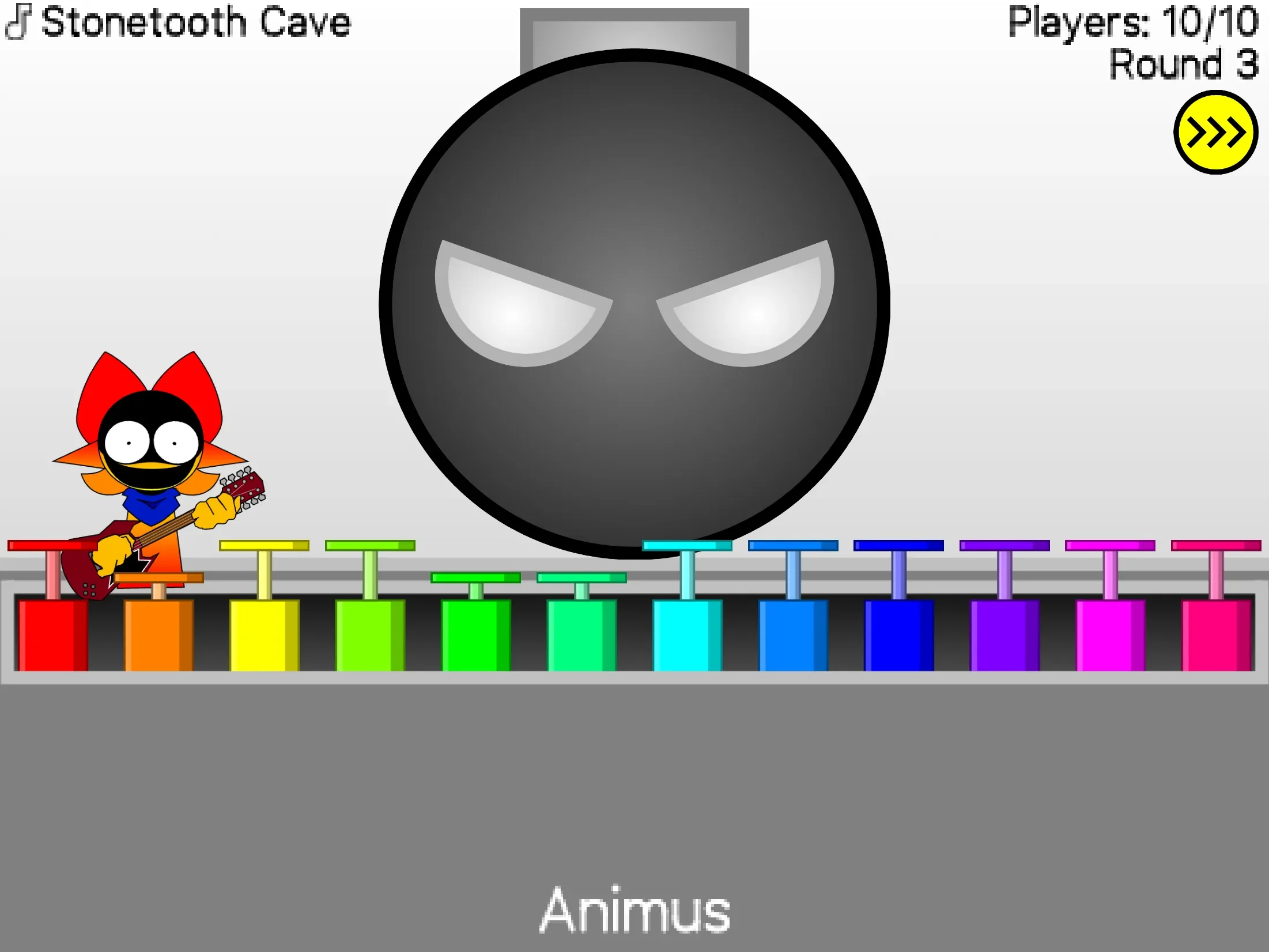
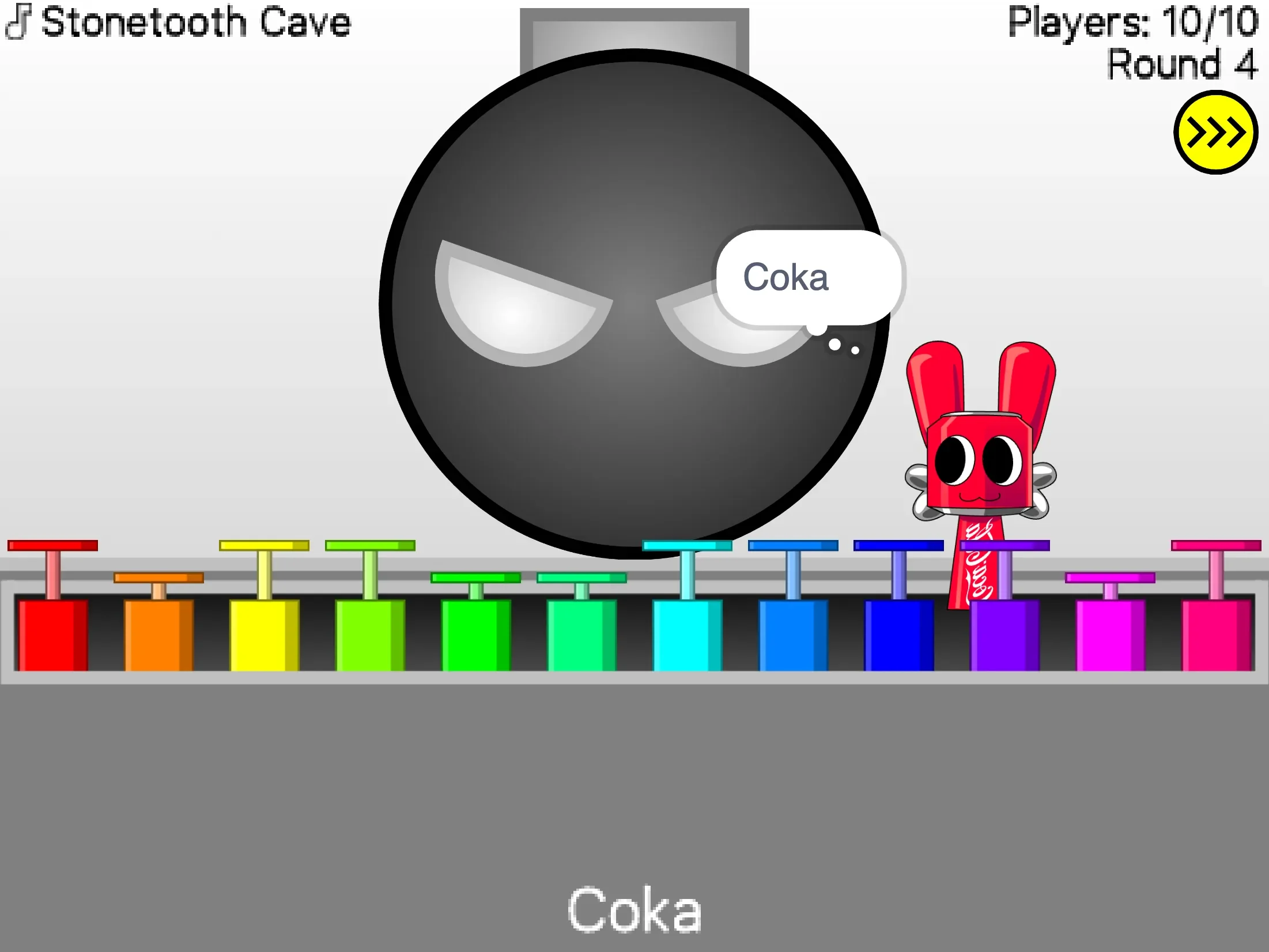
Ten Contestants, Twelve Switches, and Escalating Odds
Every elimination round begins with one of the twelve switches secretly assigned as the explosive trigger. Characters automatically choose from whichever switches remain raised from prior turns. When a contestant depresses a safe switch, it stays locked down in the row of bright red, orange, yellow, green, cyan, blue, purple, and pink switches, narrowing the safe options for every character following them. The math grows increasingly unforgiving with each successful turn; if eleven contestants manage to press every safe switch in sequence, the twelfth contestant faces a guaranteed explosion with no untried switches remaining.
When a switch triggers the bomb, a countdown leads to a screen-filling blast that eliminates the active contestant. The bomb then bounces back into position, all twelve switches rise back up, a new dangerous position is selected, and the surviving roster is reshuffled. This structured loop guides the match:
- A contestant steps onto the arena platform.
- They walk across the floor to select an unused colored switch.
- The switch is pressed down into the stage.
- The bomb either defuses temporarily or ticks down toward detonation.
- An explosion removes the active character, triggering a full board reset.
- The process repeats across multiple cycles until a single champion remains.
Because every choice relies entirely on randomized chance, no character possesses special stats, hidden traits, or advantage-granting abilities. This complete mechanical equality ensures equal odds for every contestant, though match lengths can vary dramatically as a result. A bomb might detonate on a character's very first selection, or a sequence can extend across dozens of turns. In one complete run, the turn counter reached Round 58 before Peppie secured the victory, proving that matches running at normal speed can take significant time when consecutive cycles keep avoiding the armed trigger.
Automated Competition and Spectator Controls
Despite instructions on the original project page suggesting that players personally press the switches, the contestants execute all selections and switch activations on their own. Directing a mouse click toward the colored switches does not control the active character, and no keyboard inputs dictate their movement. The simulation functions primarily as an automated elimination show rather than a direct-control skill challenge.
While direct switch control is absent, the player interface provides essential operational tools:
| Action | Input | Result |
|---|---|---|
| Start the match | Click the green flag | Initializes the introduction and starts the tournament |
| Dismiss cover artwork | Click or tap the title overlay | Uncovers the active arena beneath |
| Toggle speed mode | Click or tap the yellow >>> button | Cuts waiting delays between character turns |
| Identify contestant | Hover over a character | Displays the contestant's name in a small text bubble |
Activating speed mode is crucial for enjoying full tournaments. It minimizes the lingering pauses prior to switch selection while keeping character walks, switch presses, bomb countdowns, knockout visuals, and victory sequences intact. For players hosting background matches on Fortcade, speed mode trims downtime across ten-player matches without sacrificing the visual feedback that gives each elimination impact.
Expressive Character Animations and Sound Design
The visual presentation centers around the towering black bomb that looms over the stage, providing scale and clear visual focus. Below it, the contestants feature customized animations rather than simple static sprites sliding across the screen. Characters walk across the platform, lean over to press their chosen switch, huddle fearfully when the bomb begins ticking, celebrate safe presses, take cover, and execute character-specific knockout animations upon elimination. The final survivor receives a dedicated victory ceremony complete with a distinct voice line beneath a prominent golden "WINNER!" banner.
Because the roster stems from a collaborative remix history, character visual styles vary naturally across the cast. Broker features a clean cartoon outline, Animus carries a guitar onto the stage, the Gray variants introduce distinct silhouette tweaks, and feline-inspired competitors bring brightly colored designs. Audio design reinforces these visual differences through tailored footstep sounds, heavy switch clicks, ticking fuses, vocal reactions, and screen-shaking explosion effects. A large soundtrack rotation draws from action and party-game tracks, displaying the active song title in the corner so spectators can track what is playing.
Evaluation and Overall Appeal
The chief strength of this simulation lies in how much personality is packed into an automated luck format. The expressive character states, vocal outbursts, dramatic countdowns, and extensive audio library keep repeated turns from feeling like a plain numerical generator. The addition of speed mode reflects a clear understanding of pacing, ensuring longer tournaments remain easy to watch from start to finish.
Its major boundary remains the lack of player agency. Because outcomes are entirely random and characters move autonomously, players cannot influence results or develop competitive strategies. Once a spectator has seen each character's full suite of reactions and knockout sequences, replay value rests on attachment to the cast and curiosity about who will survive the next cycle. Renaming the game to Broker and Friends in Big Blast! clarifies the experience for broader audiences, delivering a lively, animated mascot showdown that excels as a hands-off elimination spectacle.