A mechanical claw hangs over Polo, a sword rests within arm's reach, an orange Fuse button waits at the side, and a hostile spirit-like creature is already closing in. Hesitating for even a few seconds or dragging a single object can produce a drastically different outcome in this single-screen physics trap. Formally captioned The Sprunki Polo Got An Ending Game!? by creator Numtheme_The_Nerd, the browser title—frequently referred to as Sprunki Polo Ending Game—turns a chaotic setup into a dense, rapid-fire experimentation puzzle.
The game drops players directly into the action without a tutorial or instructional screen. Polo stands beside an orange spirit while the mechanical arm overhead begins operating automatically. Doing nothing allows the evil spirit to snatch Polo almost immediately, leading to a quick Bad Ending. That immediate threat creates useful urgency, forcing players to react before they have time to analyze every element on screen. Every attempt becomes a brief physics experiment: dragging Polo to safety, tossing the sword into an entity's path, altering the claw's trajectory, or fusing items to see what kind of creature emerges.
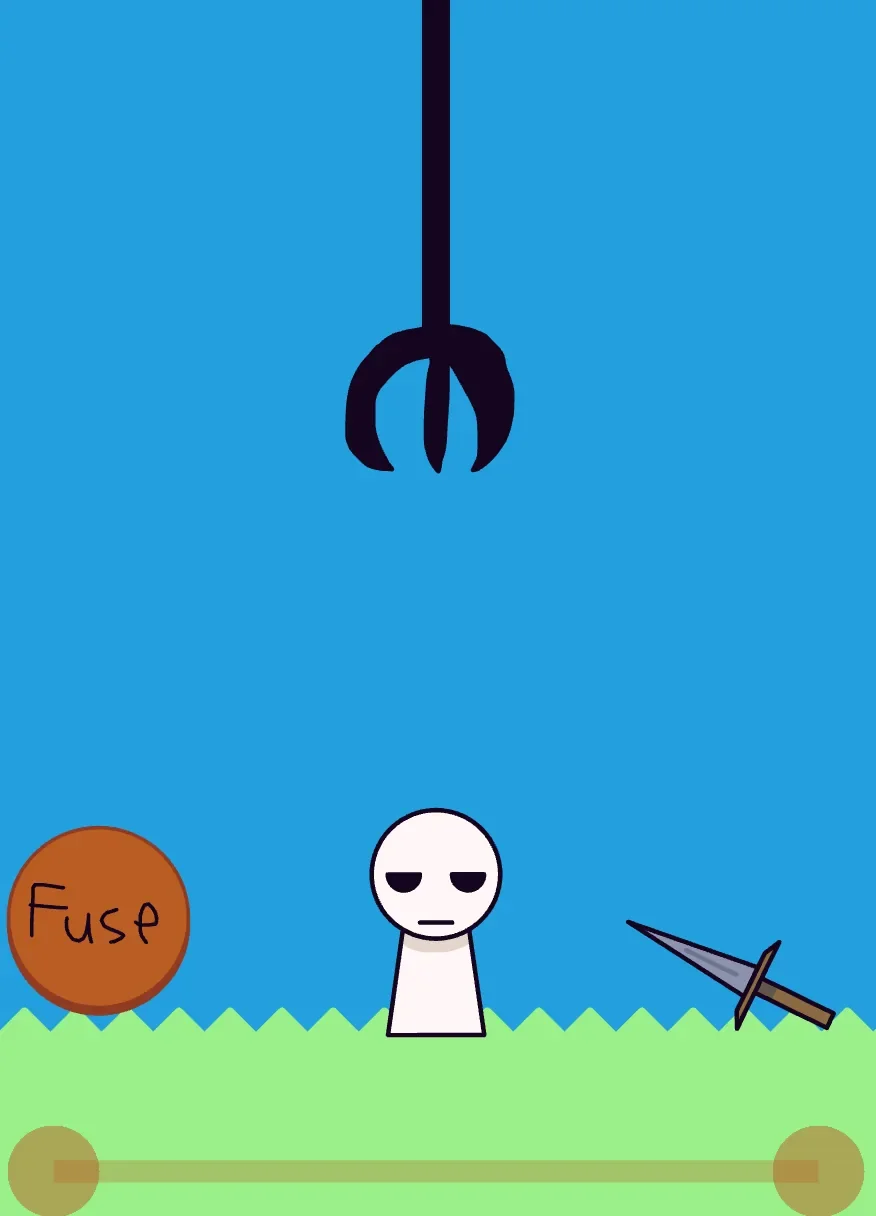 4 Game Screenshots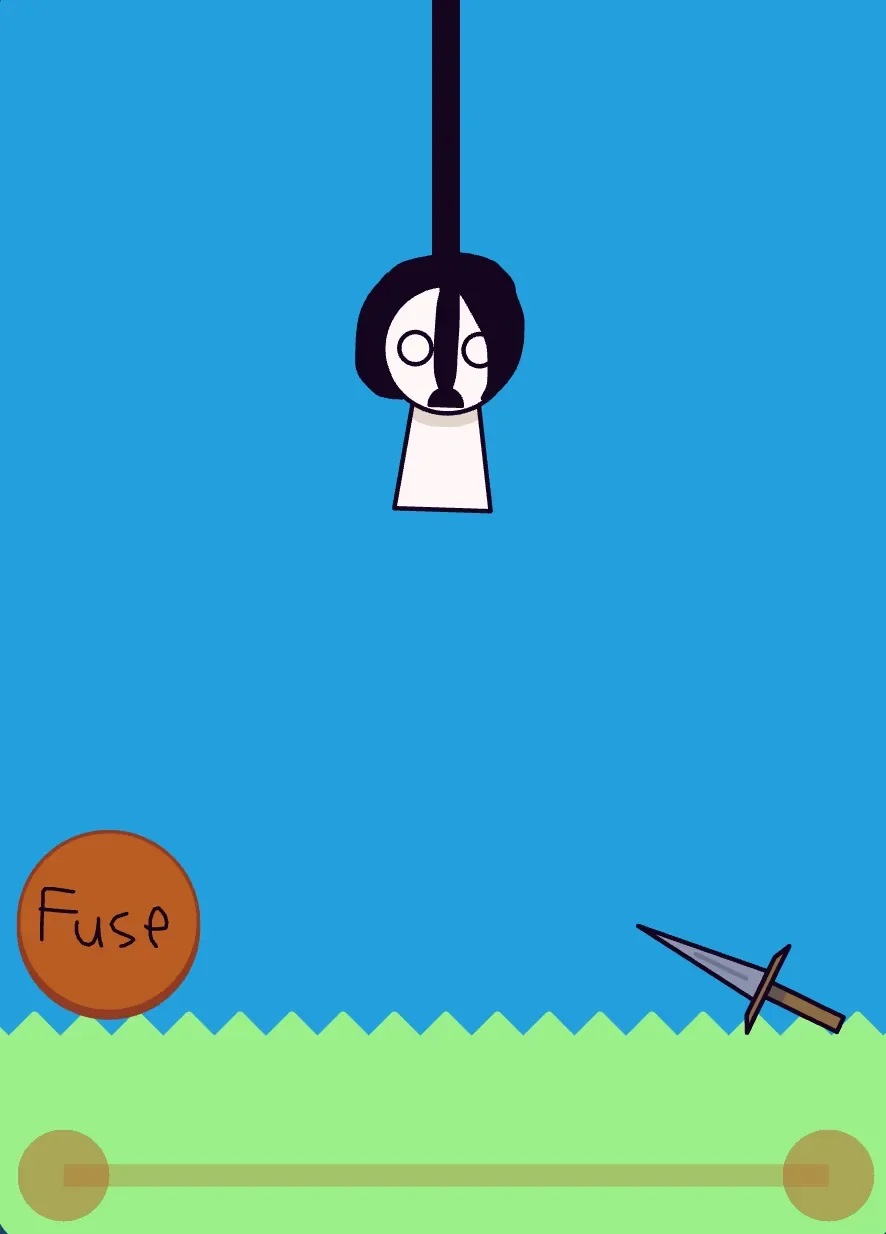
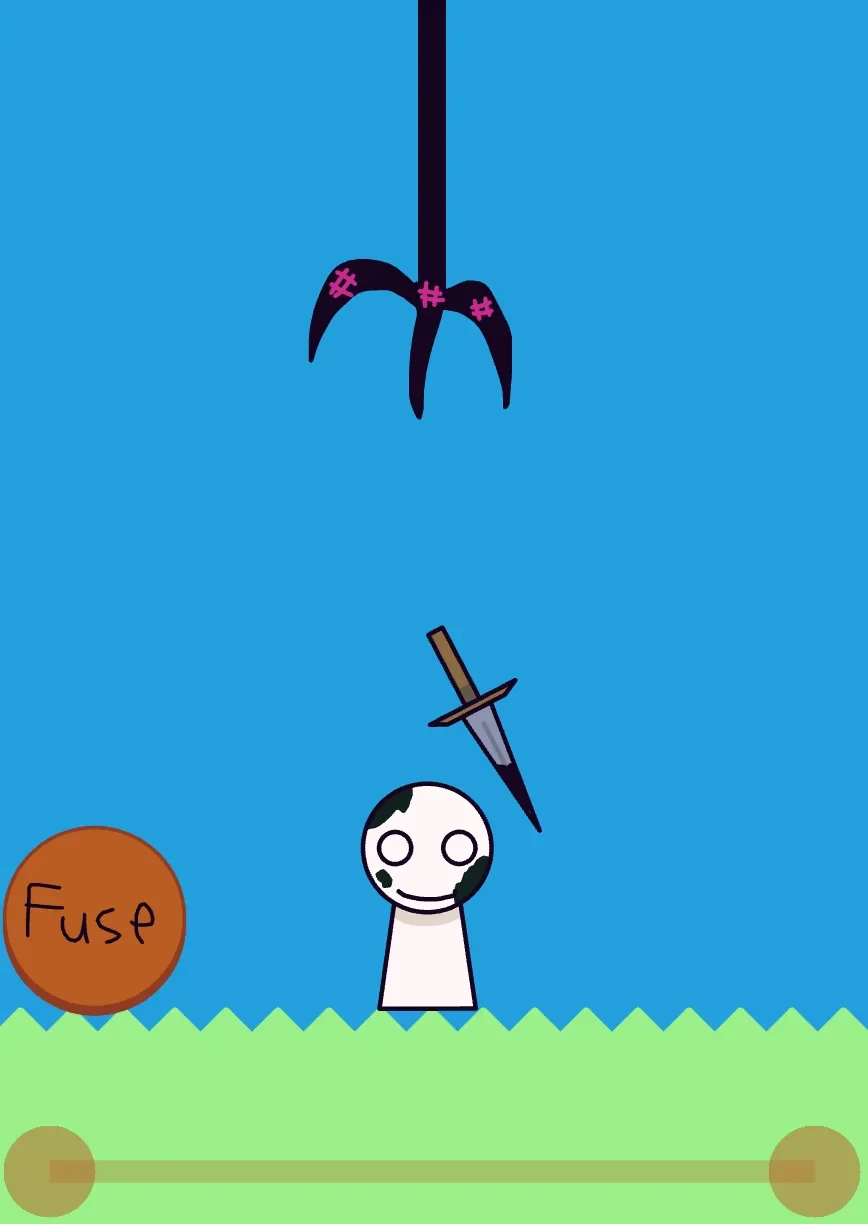
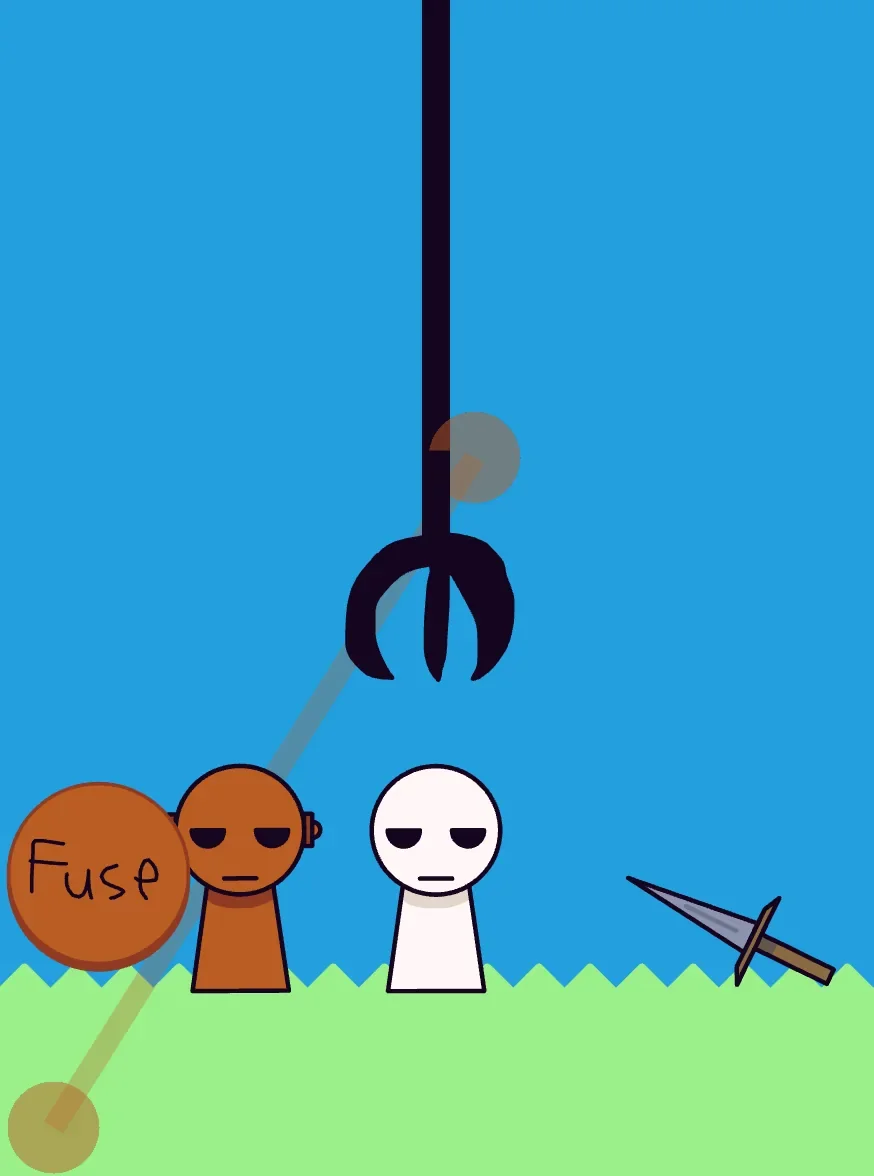
Manipulating the One-Screen Sandbox
Interaction happens entirely on the active playfield using direct dragging and button inputs. There are no traditional inventory screens, formal levels, or complex keyboard commands to learn.
| Action | Input | Result |
|---|---|---|
| Move Polo or items | Mouse or touch drag | Repositions Polo, the sword, and loose objects across the playfield |
| Adjust lower mechanism | Drag mechanism handles | Alters the arm's path and changes collision timing |
| Combine elements | Click or tap Fuse | Merges compatible objects or entities into altered forms |
| Restart attempt | Click circular replay control | Returns from an ending card back to the main stage |
While simple to control, the underlying rules governing combinations remain intentionally underexplained. It is rarely obvious whether two pieces need to collide at high speed, overlap at a precise coordinate, or be merged in a specific order. The orange Fuse button allows players to combine Polo or the spirit into tangled, dark hybrid entities, opening paths to the Monster, Abomination, and "What." endings. Other outcomes follow direct physical logic: flinging Polo clear off the screen triggers the Yeet Ending, while sliding the sword into the central conflict produces the Murderer Ending.
The most memorable discoveries fundamentally transform the scene rather than just changing the text on the final screen. The Swing Ending relies on turning the falling sword into the decisive event of the round. Murderer 2 tasks the player with destroying a newly transformed beast, while the Float Ending requires interrupting the mechanical claw at a precise, narrow instant. Reaching the True Ending reframes the underlying narrative entirely, offering a card that notes Polo releasing the evil spirits "mentally, physically and emotionally."
Seventeen Endings Without an In-Game Map
The standard game flow connects the opening chamber to 17 reachable ending cards. The full list of confirmed outcomes includes Bad, Good, True, Secret, Arm, Juke, Swing, Float, Yeet, Murderer, Murderer 2, Monster, Abomination, Sword, Sike, "What.", and "What. Ending 2". Reusing the same core set of interactive elements in different sequences, positions, and timings gives this miniature room far more replay value than its single-screen premise suggests.
The primary friction in pursuing complete discovery is the complete absence of an in-game ending tracker. After triggering an outcome, the player receives a dark-purple card featuring a hand-drawn illustration, title, and short narrative description, but there is no visible checklist or menu showing which cards have been unlocked. Players aiming to collect all 17 endings must track their progress manually. Because every round resets to the exact same opening claw sequence, repeating known combinations to find missed branches can lead to repetitive trial runs.
This structural obscurity is reflected in community discussions surrounding the game. Players frequently express confusion and ask for assistance when attempting to unlock timing-sensitive results like the Float, Abomination, and True endings. Because subtle variations in position or timing yield completely different cards, players actively share walkthrough tips, specific collision coordinates, and combination sequences in comments to help others navigate the trickier branches. Additionally, players frequently note that the background soundtrack closely resembles music from The Amazing Digital Circus, giving the repetitive experimental loop a familiar, frantic energy.
Illustrative Design and Sandbox Appeal
Visually, the main stage employs a bright blue sky, jagged green ground, thick outlines, and loose doodle-style character designs. The presentation looks less like a polished puzzle chamber and more like an interactive sketchbook device built to test comic disasters. When an ending is triggered, the visual presentation shifts to a dark purple aesthetic that frames each outcome like a grim collectible mini-comic. The Monster Ending highlights Polo overwhelmed by a dark transformation, Murderer 2 focuses on the defeated creature, and the Float Ending isolates the floating character against the dark backdrop.
For players exploring titles on Fortcade who enjoy secret-ending sandboxes and physics toys, Sprunki Polo Ending Game offers a concentrated dose of chaotic experimentation. The game rewards unguided curiosity rather than strict puzzle discipline, asking players to test reckless arrangements, embrace sudden failures, and restart the same setup dozens of times. While the lack of explicit feedback on valid combinations can occasionally feel ambiguous, the transformed character variants and darkly humorous ending cards make the search for all 17 outcomes an entertaining puzzle for patient completionists.